
Reclaiming Peace: How C-PTSD Therapy in NYC Can Help Highly Sensitive Women Heal

Reclaiming Peace:
How C-PTSD Therapy Can Help Highly Sensitive Women Heal
TLDR: If you've gained insight into your childhood trauma but still struggle to feel calm, you're not alone. Learn how C-PTSD therapy in NYC can help highly sensitive women move beyond survival mode and reconnect with a lasting sense of peace.
If you've spent years trying to understand why you feel anxious, overwhelmed, or constantly "on," you're not alone.
Maybe you've read books about childhood trauma. You've started connecting the dots between your past and your present. Intellectually, you understand why you react the way you do.
And yet, you still don't feel at peace.
If this sounds familiar, there’s nothing wrong with you. Your nervous system is still carrying the weight of experiences it had to adapt to long ago.
As a therapist, I often work with highly sensitive women who wonder why insight hasn't been enough to help them feel calmer or more grounded. The truth is that healing from complex trauma involves more than understanding what happened, and even why it happened.
It also means helping your body experience a greater sense of safety in the present.
That's where C-PTSD therapy in NYC can make a meaningful difference.
Why is it so hard to feel peaceful after childhood trauma?
If you grew up in an environment that felt unpredictable, emotionally neglectful, or chronically stressful, your nervous system likely learned to stay on alert.
You may have been the child/teenager who anticipated everyone's needs, overthought every conversation, or felt responsible for keeping the peace. These patterns often develop for good reasons. They helped you navigate relationships that didn't always feel emotionally safe.
Even if your life looks very different today, your nervous system may still respond as though it needs to stay on guard, all the time.
That can look like:
Constant overthinking or self-doubt
Feeling guilty for resting or saying no
Difficulty relaxing, even when nothing is wrong
Becoming easily overwhelmed by other people's emotions
Feeling disconnected from yourself or unsure what you need/want
These aren't character flaws.
They're often signs of a nervous system that adapted to survive difficult experiences.
Why highly sensitive women often feel the impact of complex trauma more deeply
Being highly sensitive isn't something that needs to be fixed.
Highly sensitive people often experience emotions, relationships, and their surroundings with greater depth. This sensitivity can be a beautiful strength.
But when sensitivity develops alongside childhood trauma, the world can begin to feel overwhelming rather than enriching.
You may find yourself constantly scanning for subtle changes in other people's moods or feeling emotionally exhausted after everyday interactions.
Over time, it's easy to lose touch with your own inner sense of safety.
One of the goals of C-PTSD therapy in NYC is helping you reconnect with yourself - not by becoming less sensitive, but by feeling more grounded within your sensitivity.
Why insight alone doesn't create lasting healing
Many people come to therapy saying, "I know where this comes from, so why do I still feel this way?"
It's such an understandable and normal question.
Insight matters. It helps us make sense of our experiences and understand why certain patterns developed.
But healing doesn't happen through insight alone. You can understand that your childhood shaped you and still find yourself bracing for criticism.
You can know you deserve healthy relationships and still feel anxious about disappointing someone.
You can recognize perfectionism as a protective strategy and still struggle to let yourself rest.
This is because trauma isn't only stored as memories or beliefs. Trauma also lives in the nervous system, body, and breath.
Healing begins when your mind and body start knowing and telling the same story: I'm safe enough now.
What does C-PTSD therapy in NYC actually look like?
Many people worry that trauma therapy means reliving painful memories.
In reality, effective trauma therapy moves at a pace that feels manageable and collaborative.
Together, we explore the patterns that no longer serve you while building the internal resources you need to feel more grounded in the present.
That might include developing greater awareness of your nervous system, learning to respond to difficult emotions with compassion instead of self-criticism, and gently shifting long-standing beliefs about yourself and your relationships.
The goal isn't to erase your past - it's to help your past stop defining how you experience your life today.
If you'd like to learn more about my approach, you can explore my C-PTSD therapy services here.
What healing can begin to feel like
Healing is rarely dramatic. Instead, it often shows up in quiet, meaningful ways.
You might:
notice that you recover more quickly after stressful moments.
begin trusting yourself instead of second-guessing every decision.
recognize your needs before reaching complete exhaustion and burnout.
pause before automatically taking responsibility for everyone else's feelings.
Perhaps most importantly, you begin experiencing moments of peace that no longer feel unfamiliar.
These shifts don't happen because you force yourself to "think positively."
They happen because your nervous system gradually learns that it no longer has to stay in survival mode.
One gentle practice to try this week
The next time you notice yourself feeling anxious or overwhelmed, pause for a moment.
Instead of asking, "What's wrong with me?" try asking, "What might my nervous system be trying to do right now?"
You don't need to have the perfect answer.
Approaching yourself with curiosity instead of judgment can begin creating the kind of inner safety that healing requires.
Small moments of self-compassion can become the foundation for larger, more sustainable changes over time.
You don't have to find peace on your own
If you've been searching for a greater sense of calm after childhood trauma, I hope you know this:
Your nervous system isn't working against you. It's been trying to protect you in the best way it knows how.
And with the right support, it can learn that life doesn't have to feel like constant vigilance anymore.
If you're looking for C-PTSD therapy in NYC or online therapy throughout New York, I'd be honored to support you.
Ready to take the next step?
If you're ready to explore therapy with me, I'd love to connect with you. Schedule your free therapy intro call here today.
About the Author
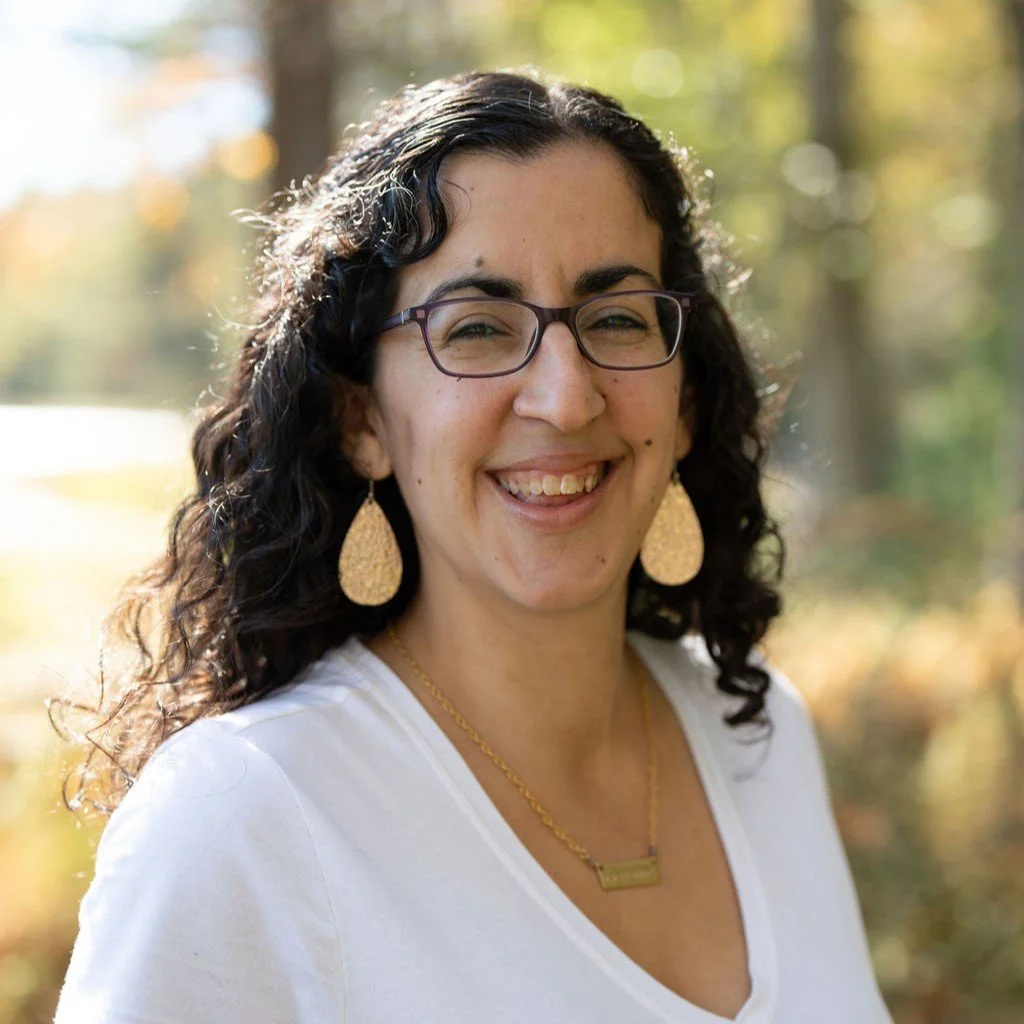
Maya Benattar is a New York City–based psychotherapist and licensed creative arts therapist (LCAT) specializing in anxiety, highly sensitive people (HSP), complex trauma (C-PTSD), and the long-term emotional impact of difficult or emotionally neglectful childhoods. She has over 15 years of clinical experience working with adults who struggle with chronic anxiety, emotional overwhelm, perfectionism, and patterns of self-criticism that are difficult to shift through insight alone.
Maya’s work focuses on helping highly sensitive adults and trauma survivors develop a greater sense of nervous system regulation, emotional safety, and internal stability. Her approach integrates talk therapy with somatic awareness, relational work, and creative arts-based interventions to support healing at both the cognitive and nervous system levels.
Rather than focusing solely on insight, Maya’s work emphasizes helping clients shift long-standing patterns rooted in survival responses to stress and early relational experiences. She believes that healing from trauma is not about “fixing” yourself, but about creating the conditions for your nervous system to experience safety, connection, and ease over time.
Maya offers in-person therapy in Midtown Manhattan and online therapy for clients throughout New York State.