
What It Means to Reclaim Your Body After Childhood Trauma: An Albany Trauma Therapist's Perspective
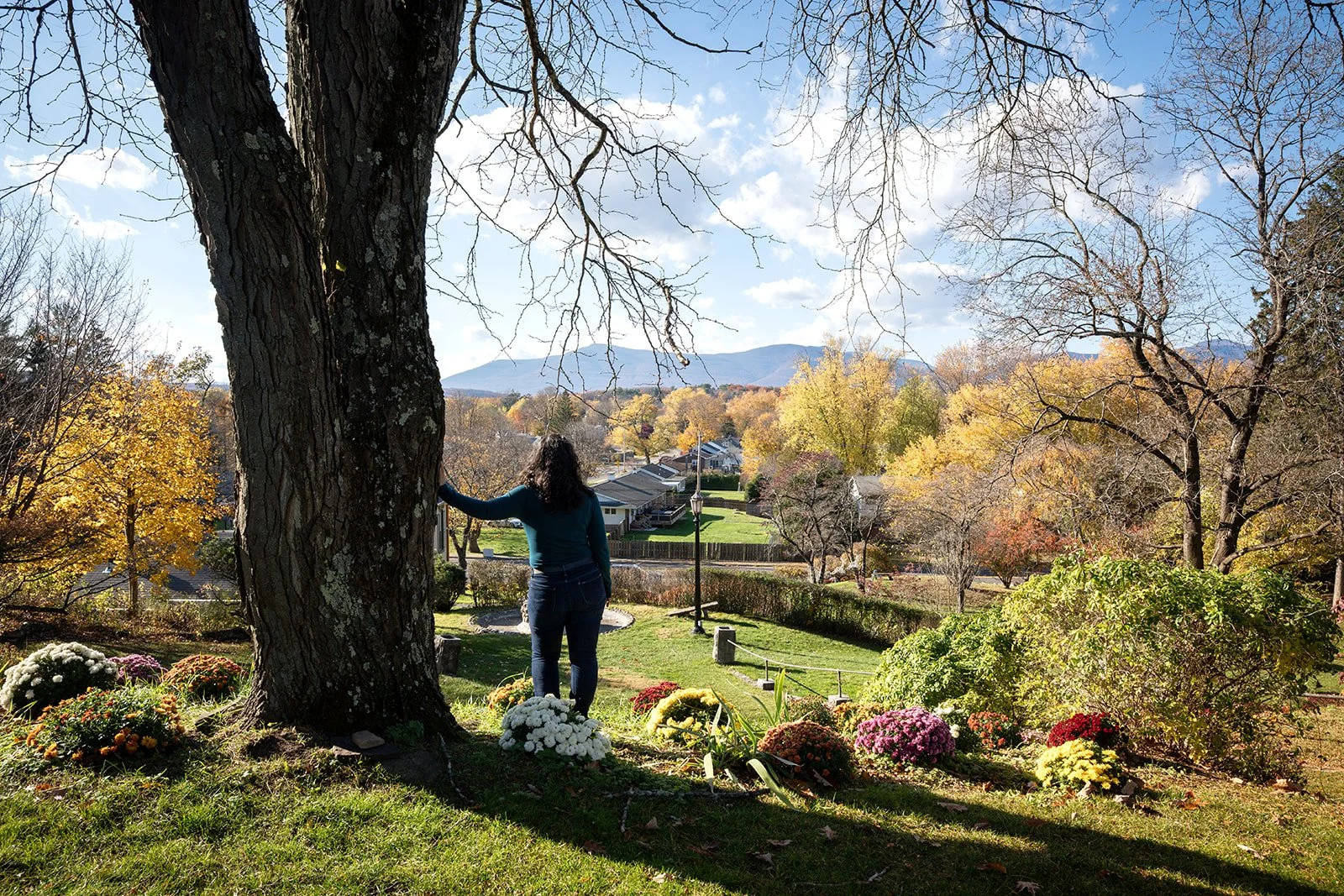
What it Means to Reclaim Your Body After Childhood Trauma
TL;DR: Childhood trauma can leave your nervous system on high alert, making it hard to feel present in your body. Reclaiming it takes time, curiosity, and repetition, and three simple questions can help you start. If you're in the Albany, NY area, I offer virtual therapy for childhood trauma.
So many of my clients come to therapy feeling disconnected from their bodies. As an Albany trauma therapist offering virtual therapy, I see this often. These are women who've learned to live in their heads, and the world has praised them for it. They're often accomplished, smart, and well aware that they survived difficult childhoods.
Childhood trauma isn't only single, horrific events like rape or assault. It's also being emotionally neglected or constantly criticized.
What is Childhood Trauma?
This kind of ongoing trauma (sometimes called complex PTSD, or C-PTSD) can keep someone in a constant state of hypervigilance: scanning the room for possible danger or criticism, and noticing nuances like a changed facial expression or a tightness in someone's voice.
That constant scanning usually makes it hard to be present in your body, and also hard to feel ease, connection, joy and so many other feelings.
Over time, your nervous system gets used to hypervigilance. So it takes real intention to shift gears and move toward reclaiming your body in a way that feels safe and approachable. This is especially hard if you've been criticized for being too sensitive, too loud, too aggressive, or really anything about how you show up in the world.
Reclaiming Your Body After Childhood Trauma
I like to walk clients through a few questions as part of this process. First, an important reminder: reclaiming is not a one-and-done thing. If your body has been used to hypervigilance and criticism (perhaps for decades now), it will take time and repetition to get used to anything else. It might feel different, even weird. As I often tell clients, weird isn't necessarily bad. It's just different. And different is where change becomes possible.
3 Questions to Start Reclaiming Your Body After Childhood Trauma
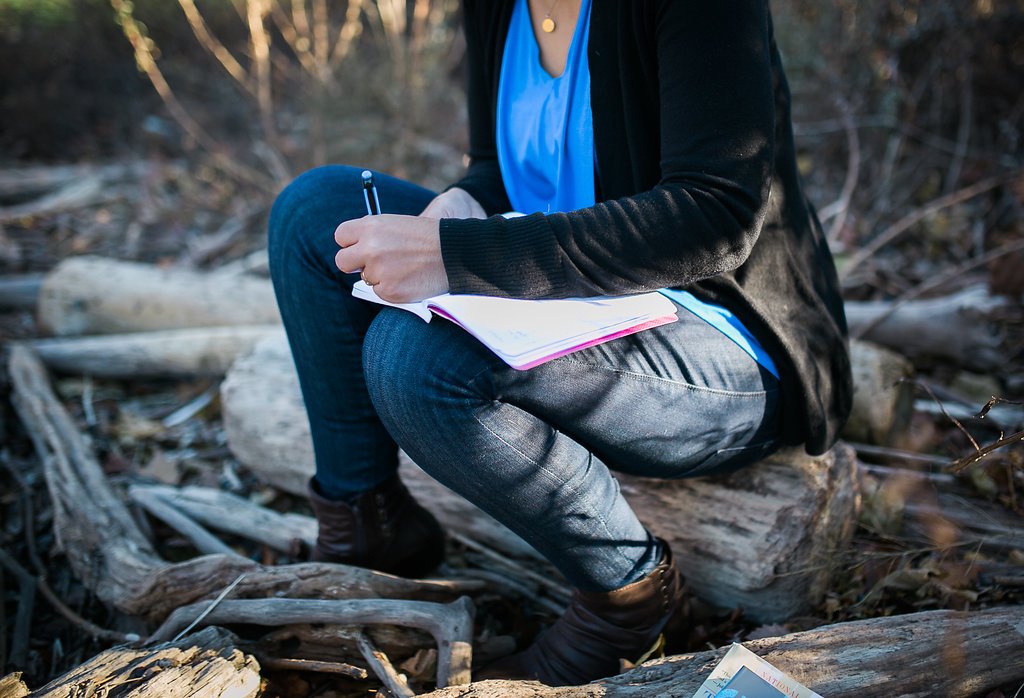
1) Do you feel connected to your body?
A quick body check-in can help. If you're not sure where to start, try these questions:
What surfaces or textures are touching your body right now (bed, floor, hoodie, etc.)?
Are you holding your breath? If so, exhale from parted lips, then take another gentle inhale and exhale.
What do you notice around you? Anything counts. Right now I'm noticing the taste of my latte, the clicking of my keyboard as I type, and Adele playing over the coffee shop speakers.
2) What helps you feel more connected to your body during this season of your life?
Maybe it's walking, lifting weights, or lying on the floor. Not sure? This is an opportunity to try some things and notice how they feel, as a way of gathering more information.
I love this framework much more than giving clients a list of what they "should" do, because everyone's body and nervous system is different. What worked for you in the past may not work the same anymore, and that's fine.
Updated information is so valuable. As much as you can, let this be an exploration driven by curiosity instead of judgment. Maybe you used to run but it doesn't feel great anymore. Maybe there's a different kind of movement that feels better.
3) Do you have a memory, from any point in your life, when your body felt light, playful or easeful?
It can be a small moment: walking through the park in the sunshine, playing with a cute dog, laughing with a friend. It doesn't need to be complex or long.
Once you've found a memory, hang out with it for a bit and let your attention rest there. You could try journaling about how it felt (not what you think about it), finding a song that connects to it, or drawing it. Abstract colors and shapes are fine!
You can return to these questions again and again as an ongoing exploration. Reclaiming your connection to your body isn't quick, and it needs repetition, but it really matters. Moving through life disconnected from your body can also leave you disconnected from the moments that feel joyful, light and full of ease. You deserve to feel connected to both.
Therapy for Childhood Trauma in Albany
If you feel overwhelmed by difficult childhood experiences or disconnected from your body, therapy can give you a place to begin softening chronic hypervigilance and self-criticism.
You don't have to white-knuckle through anymore. You can learn to reconnect with your body and your feelings in a way that feels safe and supportive.
If you're a childhood trauma survivor in the Albany, NY area, therapy can help. I offer virtual therapy throughout the greater Albany area. Schedule your free intro call here today.
About the Author
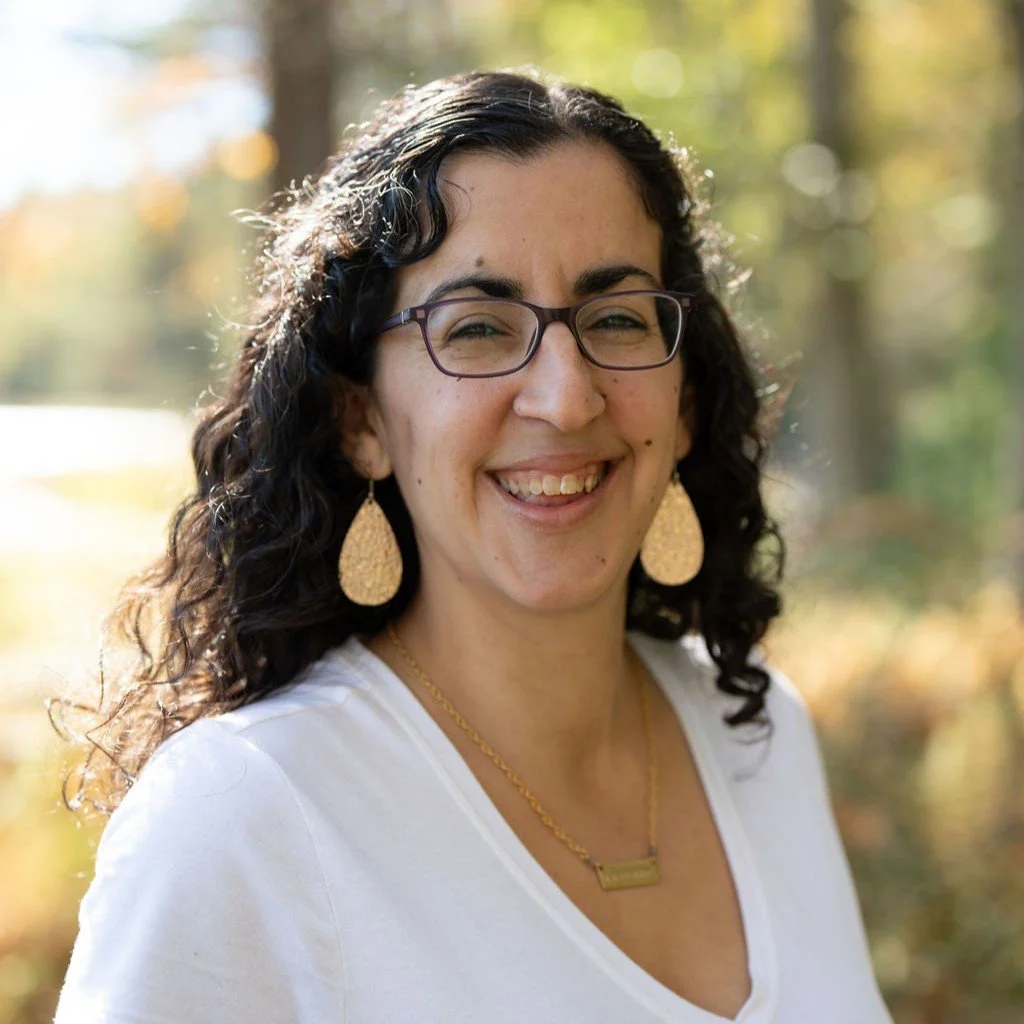
Maya Benattar, MA, MT-BC, LCAT is a licensed creative arts therapist/psychotherapist serving the Albany, NY area who specializes in helping women who've experienced childhood trauma reclaim connection to their bodies, feelings and true self-confidence.
She has 15 years of experience and offers telehealth therapy sessions throughout the Albany area, including Delmar, Colonie and Guilderland.